Betquoplay
Comparative Edge: What Leading Red Light Therapy Manufacturers Get Right
Introduction — a morning in the shop, a chart on the wall, and one question
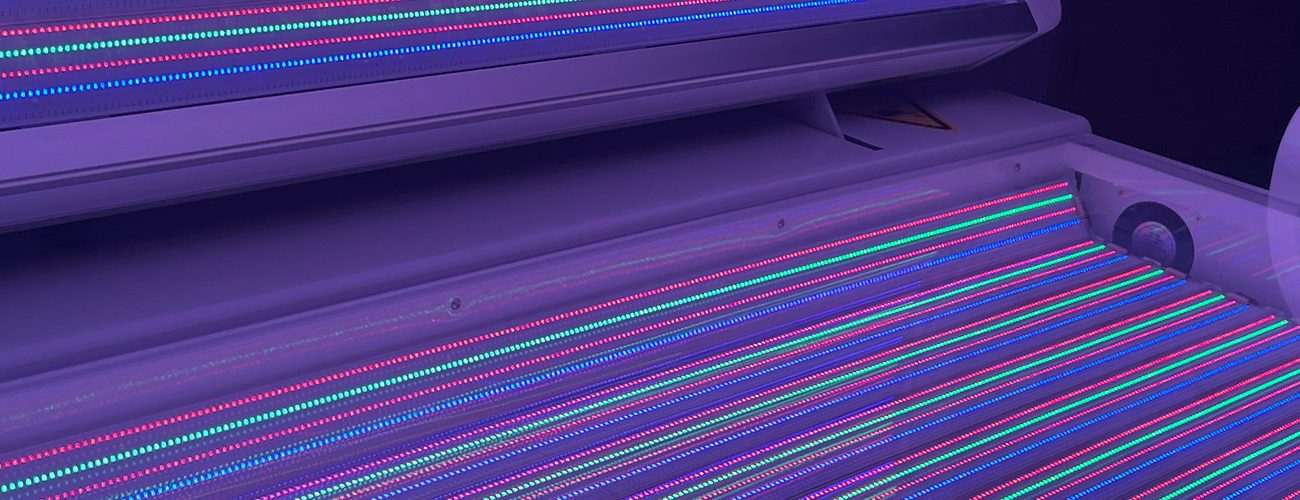
I was in a small production room last week watching a technician adjust an LED array while the coffee cooled beside us — that scene stuck with me. As a California-based observer who talks to suppliers and clinics, I see the phrase red light therapy manufacturer tossed around a lot, but the real differences live in the tiny choices: component sourcing, heat management, and assembly flow. Industry reports show adoption of clinical-grade devices growing by double digits year over year, and clinics keep asking the same question: how do you tell a dependable bed from a flashy prototype?
Here's the quick scenario: a clinic buys a shiny unit, patient results are mixed, and the team is left troubleshooting. The data point that matters is uptime — devices that need frequent recalibration or have inconsistent irradiance cost providers time and trust. So what should clinicians and buyers actually look for when they vet manufacturers? I’ll walk through what I’ve learned on the floor, the tech I pay attention to, and why some common assumptions lead people astray — then point toward smarter buying signals. (Spoiler: some of the best fixes are low-tech.)
 Before we dig into specific flaws and future ideas, let’s set the stage — next, I’ll lay out where traditional designs trip up and what hidden pains they create for users.
Part 2 — Why many beds struggle: the design and user gaps
So what exactly goes wrong?
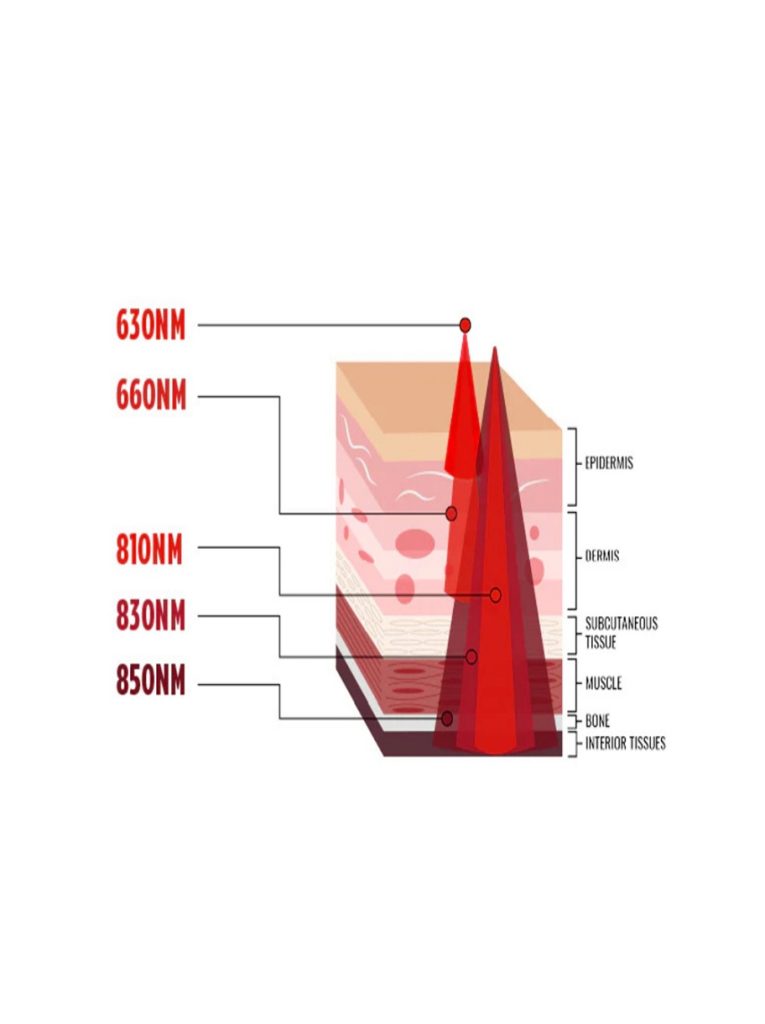
When I talk about red light therapy bed manufacture, I mean the end-to-end process — from LED selection to final testing — and I link to this red light therapy bed manufacture example because it shows a full OEM/ODM approach. Too often, manufacturers prioritize aesthetics over consistent irradiance, and that leads to real-world problems. Photobiomodulation depends on wavelength specificity and dose, but a pretty housing won't fix uneven LED spacing or cheap power converters that sag under load. Look, it's simpler than you think: if the device can't deliver stable light output, clinical staff are left guessing.
Technically, several recurring flaws stand out. First, LED arrays get simplified in specs but not validated in real conditions — manufacturers report lumen output, not the irradiance at skin level. Second, thermal management is treated as an afterthought; heat shifts emission spectra and shortens LED life. Third, control electronics (power converters and drivers) are often undersized, causing flicker or drift across sessions. These issues translate into hidden user pain points: extra maintenance, inconsistent patient outcomes, and increased warranty claims. I’ve seen items returned for “poor results” that actually needed firmware tweaks — funny how that works, right? Addressing these flaws requires both better test protocols and honest labeling of performance.
Part 3 — Principles for better beds and what comes next
What’s next: design principles and simple checks
Looking forward, I want to focus on new technology principles that raise reliability without exploding cost. First, measure at the point of care: report irradiance at typical skin distance, not just raw LED output. Second, integrate modest redundancy in the electronics — slightly larger power converters and real-time current monitoring prevent drift and extend life. Third, use modular LED arrays so service is fast and cheap. These principles come from hands-on work and field feedback; they aren’t glamorous, but they shift outcomes. I include the red light therapy bed manufacture link again because scalable OEM practices make these principles practical for clinics and brands.
Practically, here are three quick evaluation metrics I ask clients to use when choosing a supplier: 1) Verified irradiance maps at use distance (not just LEDs labeled by watts); 2) Thermal performance under continuous load; and 3) Control stability — show me driver specs and firmware update paths. Use these as your baseline checklist. I’ll add one more candid note — talk to current users and watch devices run for a full session. — it reveals a lot more than spec sheets. If you run those checks, you’ll reduce downtime and improve patient trust.
Closing — three simple metrics and a human note
In short, I believe the competitive edge for a manufacturer is consistency: consistent light, consistent controls, and consistent support. To put it simply, measure what matters and design for serviceability. Here are the three evaluation metrics again, clear and short: verified irradiance at skin distance; robust thermal design; stable power converters and driver controls. Apply those, and you’ll avoid most surprises.
I'm not claiming this will fix every issue overnight, but these steps will make procurement conversations less scary and outcomes more predictable — and that’s something I care about as someone who’s spent time on both sides of the bench. For a practical partner that aligns with these principles, I recommend checking out Magique Power at Magique Power.