Betquoplay
Windproof Campcraft: A Sensory, Problem-Driven Guide to Tent Stability and Site Choice
The immediate problem you’ll feel
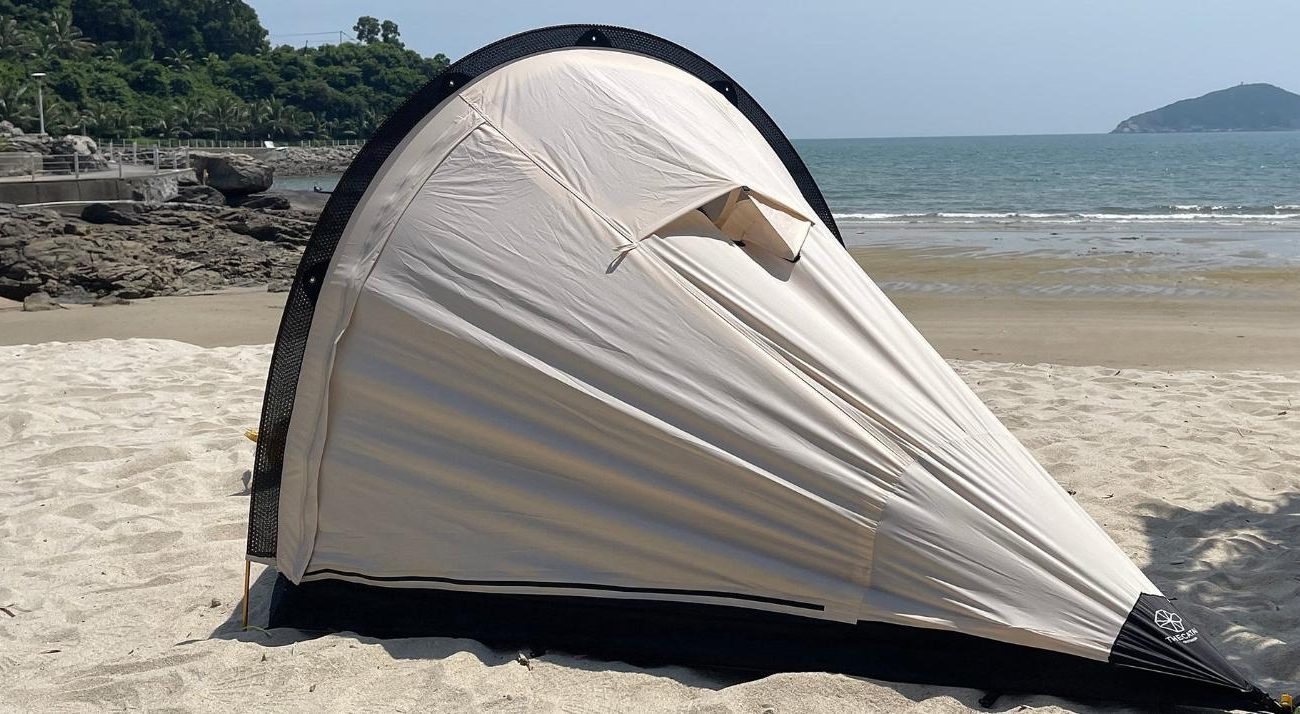
Wind turns a sleeping plan into a chorus of flapping fabric and frantic stakes; when it sings through seams you wake to a tent that has lost its dignity. You can buy a hiking tent ultralight that feels feather-light on the shoulder, but that same reduction in mass changes how wind finds purchase. After eight seasons guiding overnight treks and testing tents across alpine ridges, I’ve learned you can’t treat ultralight gear and exposed sites the same—one needs a careful partner in place and pitch.
How wind really attacks a shelter
Wind looks for slack and shape. It pushes flat faces like a hand across a drum skin, it lifts loose hems, and it amplifies any angle that acts like a sail. Low-profile domes present fewer faces; long tunnel shapes channel gusts along seams. A taut fly sings quieter than a loose one. Use that: a tight pitch distributes pressure; tensioned guy lines translate gusts into predictable points rather than random flapping. Treat your tent like fabric architecture—adjust poles and angles until the wind slides off rather than catches.
Site selection checklist that solves the problem
Pick micro-shelters, not vistas: a shallow dip with a tree windbreak beats an exposed ridge. Find firm ground for stakes—sand and frost need different anchors. Face the narrow end of the tent into prevailing gusts. Keep your head slightly downhill of the door to avoid a direct wind tunnel when it opens. Use natural berms and boulders as extra anchors, but avoid deadfall zones. Clear the pad of sharp rocks that puncture and remove low-lying vegetation that can trap moisture; a dry, level footprint makes tensioning predictable. Each choice reduces how much the tent must fight the wind on its own.
 Common mistakes and simple fixes
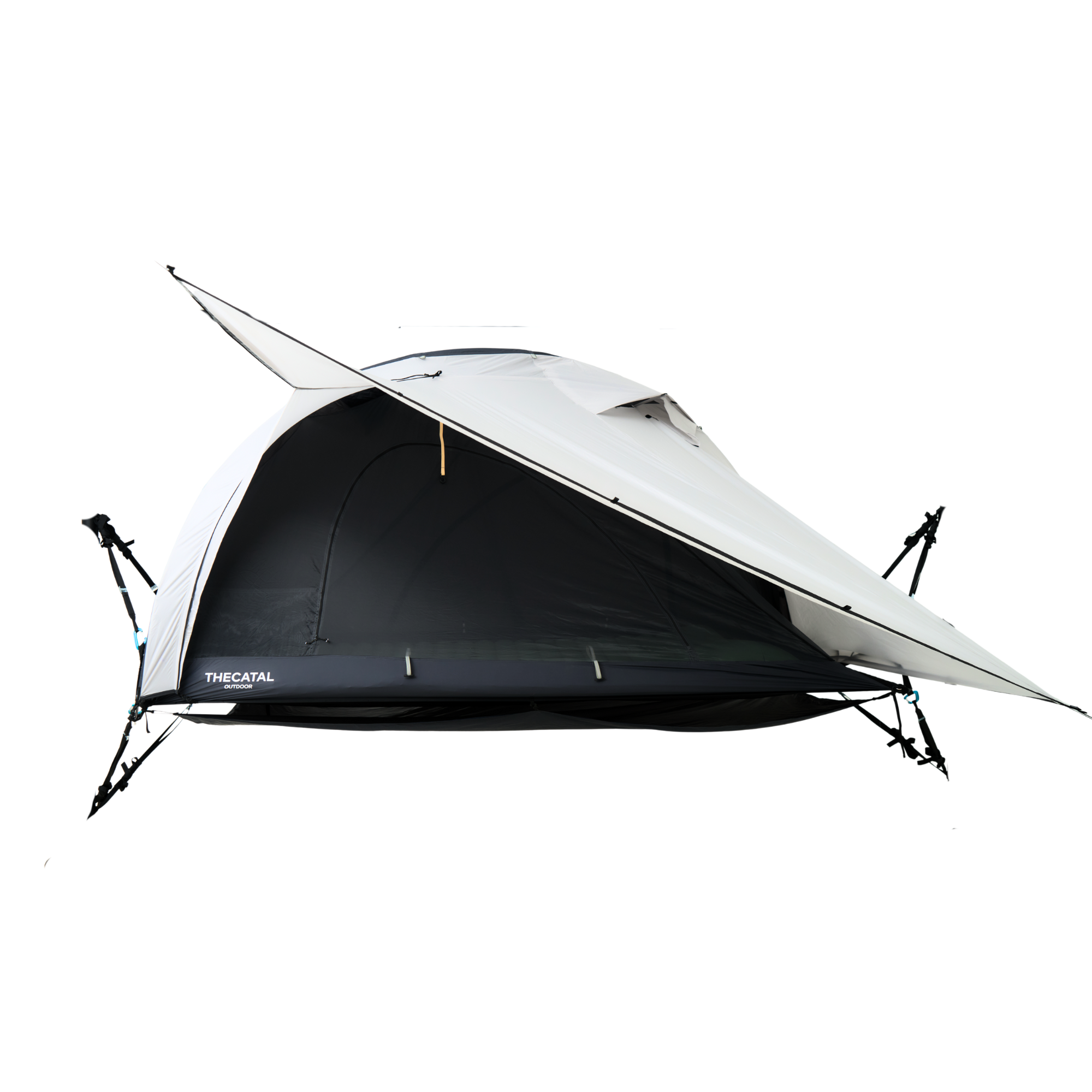
People under-tension flies, over-rely on tree anchors, or pitch too high for conditions. Fixes: shorten pole segments to lower profile; add extra guylines to all available loops; swap light pin-type stakes for longer Y-stakes in loose soil; bury a stuff sack as a deadman anchor in soft ground. If you wake to flapping, loosen internal pole tension, retension the fly from the windward guy first, then the leeward. A vestibule weighted with rocks stabilizes the entire shelter more than adding another stake at the stake-out point.
Field-tested anchor and what it taught me
On a blustery stretch of the Appalachian Trail a narrow ridge made every stitch sound like a metronome. I tested a compact model there to see how a small tent for hiking behaves under sustained gusts: lower profile, maximum stake redundancy, and careful orientation reduced both movement and condensation. That single night reinforced a rule I repeat to groups—gear behaves differently when it’s light, and you compensate with smarter placement and more points of control. Those are field facts, not theory.
Bring it together: practical, sensory solution
Windproofing isn’t a single fix; it’s a recipe: a low, tight pitch; thoughtful orientation; strategic anchors; and a footprint chosen for firmness and shelter. When the fabric no longer fights the wind, you sleep. Those sensorial wins—less flap, steadier poles, a quiet zipper—come from pairing the right lightweight shelter with the right site decisions, the same balance I look for when I choose equipment from THECATAL to match a night’s weather and terrain.